

Why Pacu Belong on Your Argentina Fishing and Food Journey
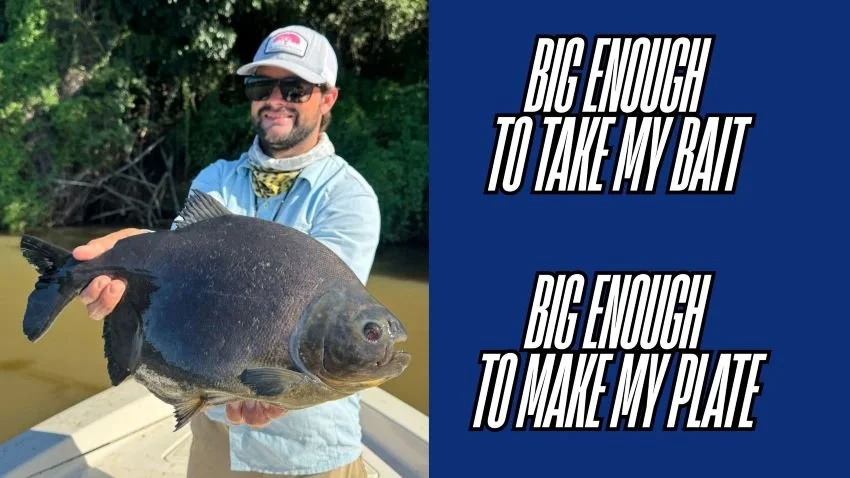
When we host our inaugural group at Argentina’s Don Joaquin River Lodge in December 2026, the main fishing focus will be on taming the legendary golden dorado -- and yes, there will be plenty of grass-fed Argentine beef on the table. But there’s another native prize worth your attention, both on the line and on the plate: the Pacu.
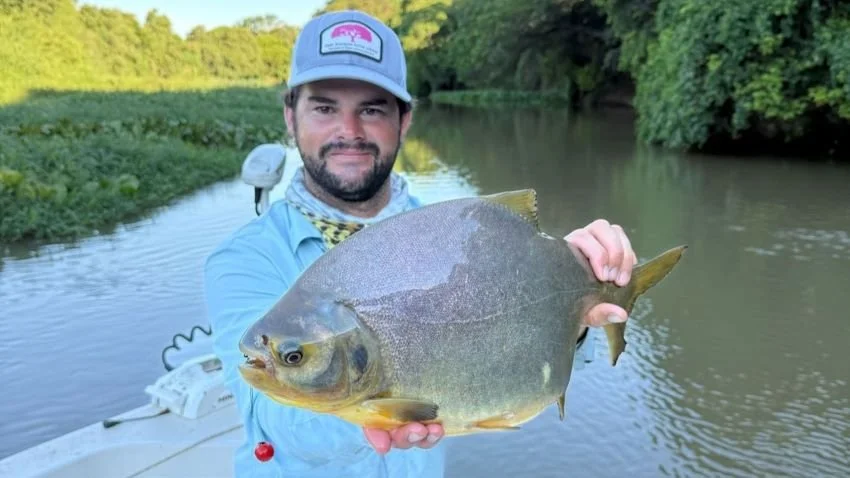
Pacu (Piaractus mesopotamicus), close relatives of piranhas, look like oversized cousins with blunt teeth, but unlike their carnivorous relatives, they are primarily plant- and fruit-eaters
While Pacu have turned up in Florida canals and even in premier U.S. bass fisheries like Lake St. Clair and the California Delta -- thanks to aquarium releases from backyard biologists -- they reach their greatest size and numbers in Argentina’s Paraná River system, right where we’ll be fishing.
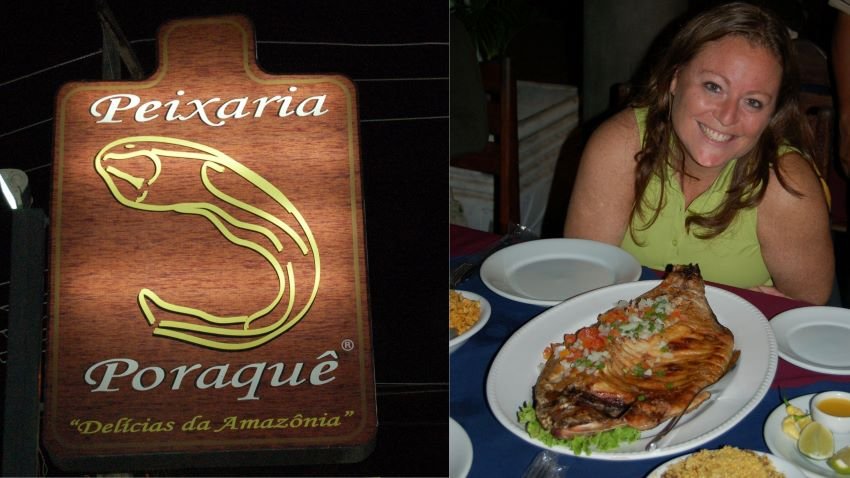
I wouldn’t say most American anglers book a trip to Argentina specifically to target Pacu, but I’ll admit I’m eager to hook a few—and just as eager to grill one riverside. Part of that anticipation comes from a meal I’ll never forget: eating tambaqui ribs in Manaus, Brazil with our friend Steve Yatomi. Tambaqui (Colossoma macropomum) is a close Amazonian cousin of the Pacu, and its fruit-fed, sweet white rib meat was one of the most memorable dishes of my angling life.
If that description makes your stomach rumble, read on—you’ll see why adding Pacu to your Argentina adventure is about more than just fishing.
Why Anglers Love Pacu and How to Fish for Them
While we’ve tangled with plenty of Amazonian species -- including some surprisingly tasty piranhas -- we haven’t yet crossed Pacu off our list. That will change on this trip. Again and again, we see Pacu described as the “freshwater permit” – sneaky, ultra-powerful fish that fight far above their weight class, often turning sideways in the current and testing every knot.
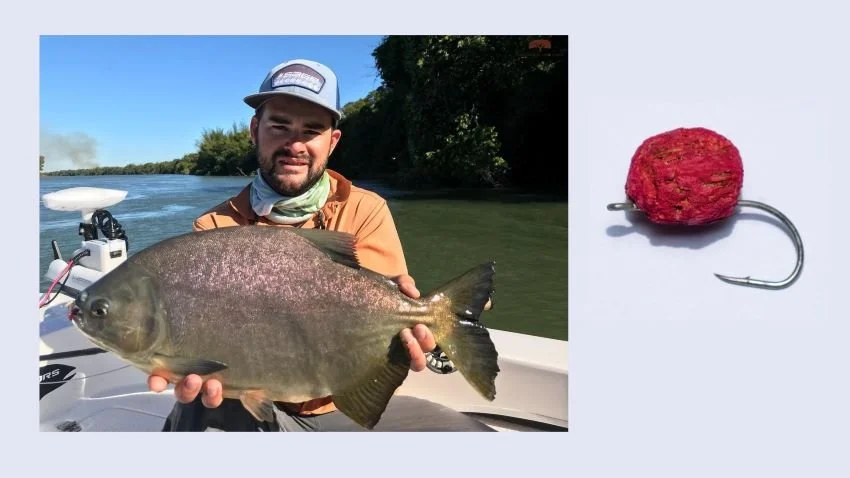
What makes them especially fascinating is their diet. Because Pacu are fruit- and nut-eaters, local anglers often target them with flies that imitate berries, seeds, or even pebbles falling from overhanging trees. It’s a quirky, visual style of fishing that demands finesse -- and it’s exactly the kind of challenge we’re eager to try before switching gears to the explosive strikes of golden dorado.
Since we haven’t caught Pacu ourselves yet, we’re leaning on the expertise of guides and seasoned anglers who know these fish best. If you want to dive deeper into techniques, flies, and approaches, here are a few excellent resources:
And if you want a taste of how wild these fish can be, check out this River Monsters segment: The Piranha’s Angry Relative
Pacu on the Plate: A Culinary Experience
Thinking back to those unforgettable tambaqui ribs from Manaus, I dove into the world of Pacu dishes—and unsurprisingly, they are equally prized and delicious. On our December 2026 trip to Don Joaquin River Lodge, I plan to make a special request to the gauchos for a taste test of our own.
Pacu can be prepared in a variety of ways, from grilled ribs to whole roasted fish, and the flavor is subtly sweet thanks to their fruit- and nut-rich diet. If you want to try Pacu at home before your trip—or just get inspired for your adventure—here are some of the internet’s best recipes:
Check local seafood markets for Pacu fillets or ribs. If you live in an area with a South American community, their grocery stores are often the best place to find these fish, sometimes listed under regional names.
Whether you grill them at home or savor them riverside in Argentina, Pacu adds a flavorful, memorable dimension to the fishing experience.
Where to Try Pacu Outside Argentina
As with just about any fish, I can guarantee you that it tastes better within a long cast’s distance of where you caught it, preferably washed down by the region’s beer or wine (did we mention that Argentina’s Malbecs are world-renowned). Still, if you want to taste it at home before you experience it fresh in Argentina, there are some North American restaurants that import and serve pacu. Not surprisingly, they’re most common in cities with large South American populations, although not exclusively. Here are some you’ll want to try:
Quahog's Seafood Shack – Stone Harbor, New Jersey
Dish: BBQ Pacu Fish Ribs
La Pulperia – New York, NY
Dish: Grilled Pacu Ribs with Chipotle-Orange Barbecue Sauce
Four Flamingos – Miami, Florida
Dish: Rum-Glazed Pacu Fish Ribs with Chimichurri, Chili, and Pineapple
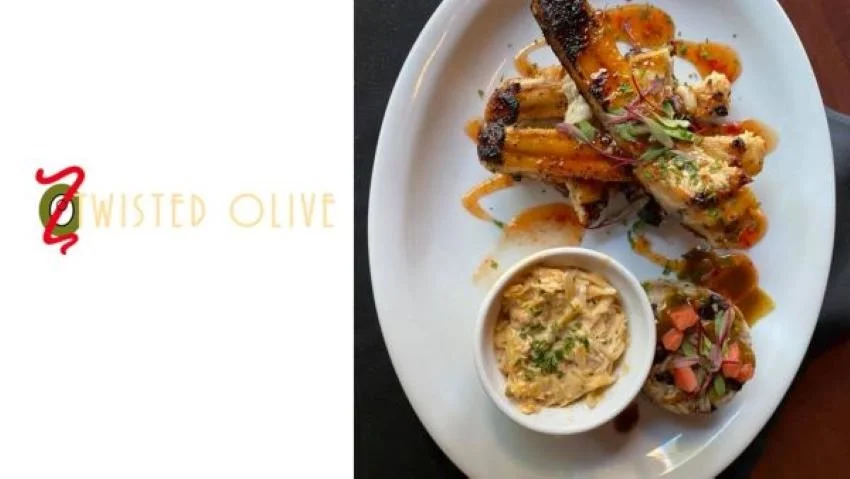
Twisted Olive – Bethlehem, Pennsylvania
Dish: Pacu Ribs
If one of those is near you – or even if it’s a bit of a haul – make a reservation, order the fish, tie up some “berry flies” and we’ll see you in Argentina for the real deal.
The Complete Journey: Fishing + Food + Culture
Experience Argentina’s best fishing beyond just the golden dorado. Try your hand at Pacu fishing, enjoy riverside-cooked Pacu and grass-fed Argentine beef, and savor world-class Malbecs. Add birdwatching, local culture, and expert guides, and we’re prepared to provide you with an unparalleled fishing adventure.
Join us at Don Joaquin River Lodge in December 2026 for a hosted fishing trip that combines fishing, food, and culture. Spots are limited – email us now to secure your place.


Meanmouth bass are rare hybrid trophies—part spotted bass, part smallmouth. See replica mounts, why they’re unique, and the controversy behind their spread.