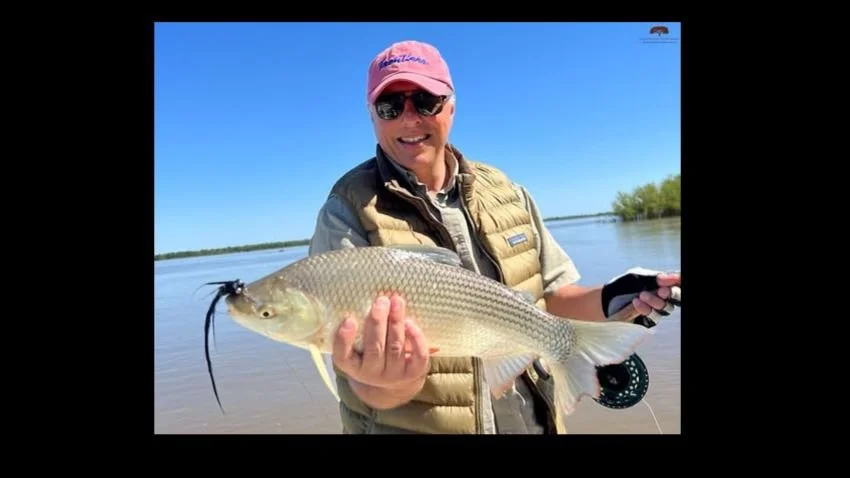

Understanding Sábalo, the Baitfish Behind Argentina’s Golden Dorado Action
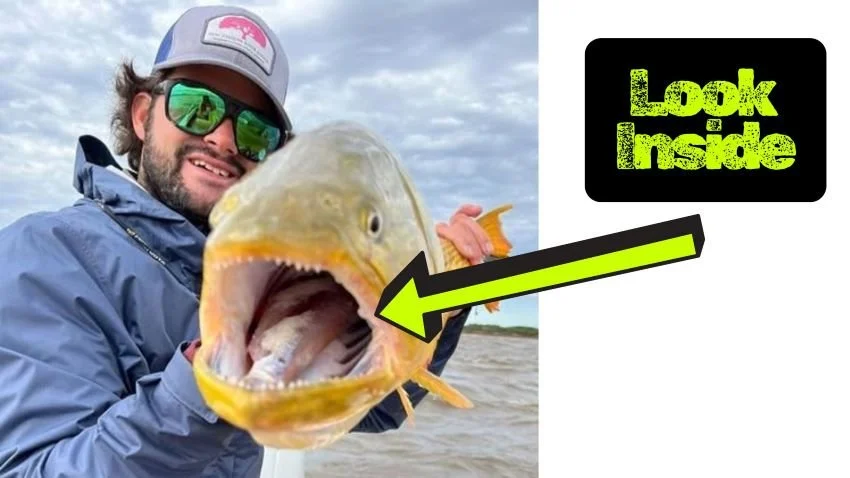
“If you want to learn the owl, study the mouse.” – Rick Clunn
When picking out lures for any new fishing destination – and particularly if it involves a species that’s new to us — like Rick Clunn I want to understand what those fish eat. If they chow down on crawfish or prawns, I’ll go into it with a very different attitude than if their preferred diet is blueback herring, golden shiners or ballyhoo.
As we get ready for our first trip to Don Joaquin River Lodge in Argentina, that same logic applies. Golden dorado are legendary for their power and aggression, but to catch them consistently you need to understand their favorite food. In the rivers of Corrientes and the Paraná basin, that means one thing: the sábalo (Prochilodus lineatus).
Not to be confused with the “sábalo” nickname sometimes used for snook, these are true forage fish—fat-rich, schooling, and absolutely vital to the region’s ecosystem. Golden dorado, giant catfish, and even bird life depend on their abundance.
Here’s why traveling anglers should care about sábalo, and how these baitfish shape the dorado fishing Argentina is famous for:
Range & Habitat: They’re found throughout the Paraná, Paraguay, Uruguay, and Río de la Plata river systems in northern Argentina and neighboring countries, typically in big, turbid rivers with sand or mud bottoms.
Size: Sábalo generally grow 1–2 feet long and usually top out around 6 pounds.
Prolific Nature: Schools of sábalo can number in the thousands, creating the biomass that fuels the world’s best dorado fisheries.
Diet: Sábalo are rimarily detritivores and algae feeders — they graze on organic matter from mud and sediments rather than actively hunting. Why is this key? Because it loads them up with fat content, making them especially nutritious prey for dorado.
Migration: The massive “sábalo runs” in the late fall through early spring are a predictable food source for golden dorado (that’s why we’re going in December). The dorado lie in ambush along migratory routes, especially in narrower channels and at river confluences – perfect for visiting bass anglers who understand these ambush characteristics.
Understanding sábalo behavior, migrations, and appearance isn’t just a matter of curiosity – even though we’ll have expert guides to explain the fishery to us, I feel like this time is well-spent as one of the best ways to prepare for golden dorado success in Argentina.
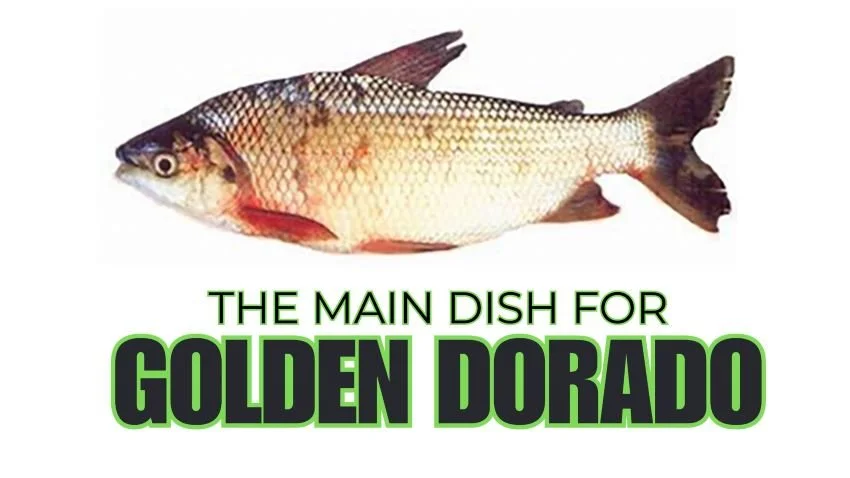
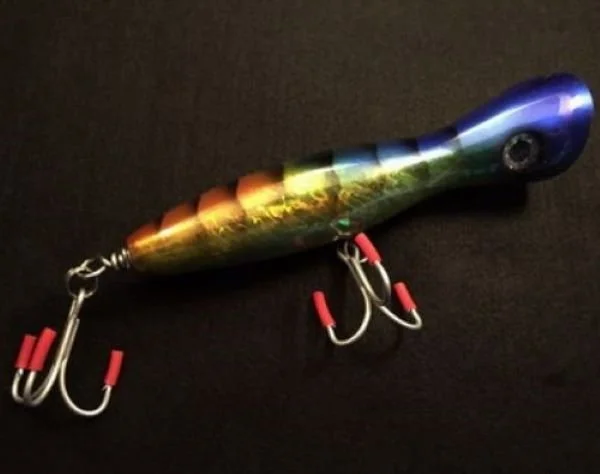
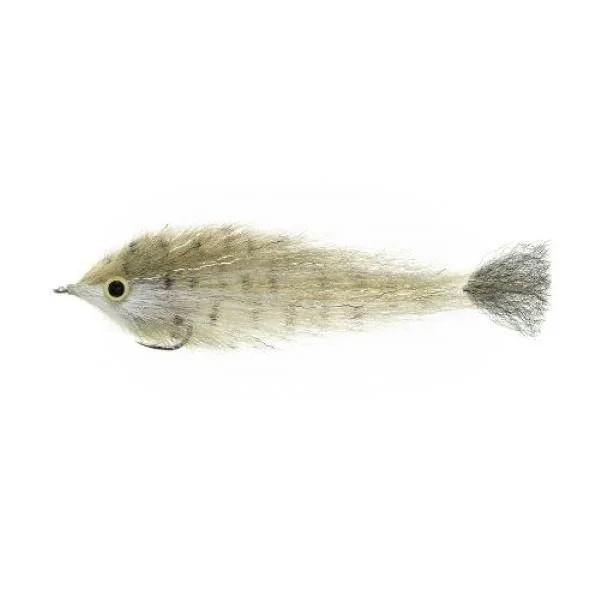
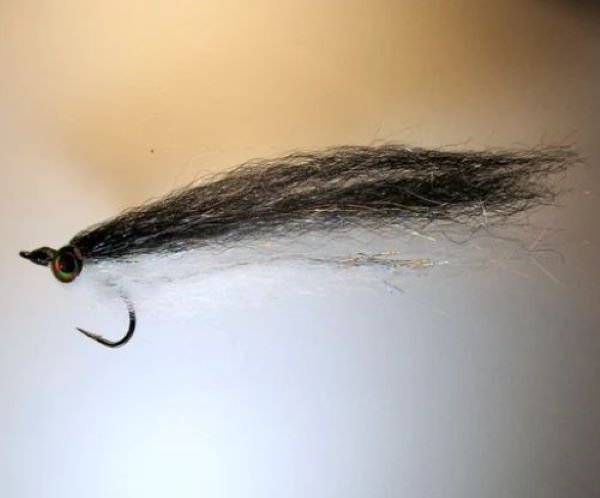
South American Lures Made to Imitate Sábalo
Knowing what dorado eat is only the first step -- now it’s time to match that prey. By observing the size, shape, color, and behavior of sábalo, anglers can select lures and flies that consistently trigger strikes. Here are lures created specifically to target those fish:
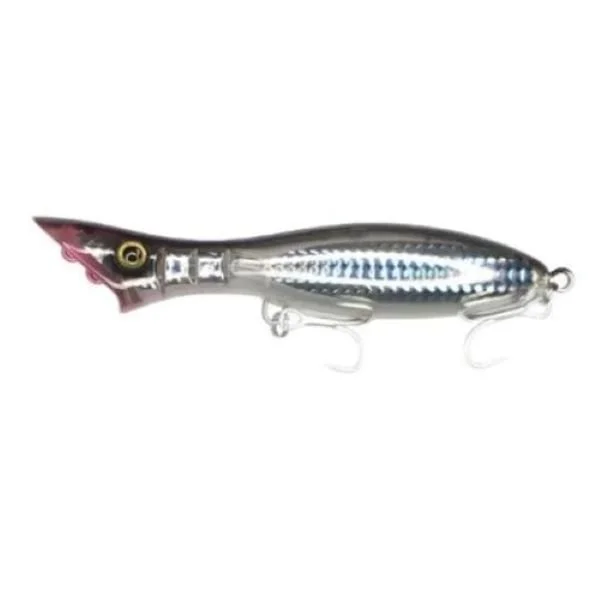
US and JDM Lures if You Can’t Find the South American Options
While we plan to hit some tackle shops in Buenos Aires and fully enjoy the local selection, not every traveling angler will have access to South American lures. Fortunately, there are excellent alternatives from the US and Japan that imitate sábalo and perform well on golden dorado:
Big Poppers
Our friend Kermett Adams built the lures that conquered most of our biggest peacock bass in Brazil and he has a ton of experience building specific tools for the most dedicated golden dorado chasers. Check out his KLures poppers, prop baits and magnum spinnerbaits built specifically for these river demons.
Jerkbaits
Turn Sábalo Knowledge into Golden Dorado Success
Whether you choose South American specialty lures, US or Japanese alternatives, or tie your own flies to mimic the fat, silvery baitfish, the keys to success are observation, timing, and adapting to river conditions. The more you understand sábalo, the more predictable the predator becomes.
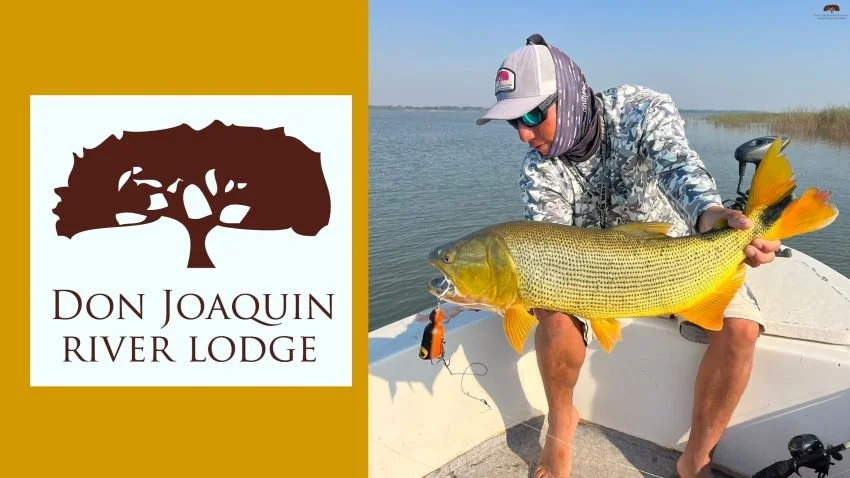
Ready to put this knowledge into action? Join us at Don Joaquin River Lodge for a hosted golden dorado adventure, where you’ll fish alongside experienced guides, explore the best waterways, and get hands-on help matching lures to the local sábalo. Spots are limited -- email us today to reserve your trip and experience Argentina’s river kings up close.