

11 Mistakes to Avoid on Your First Bristol Bay Fishing Trip
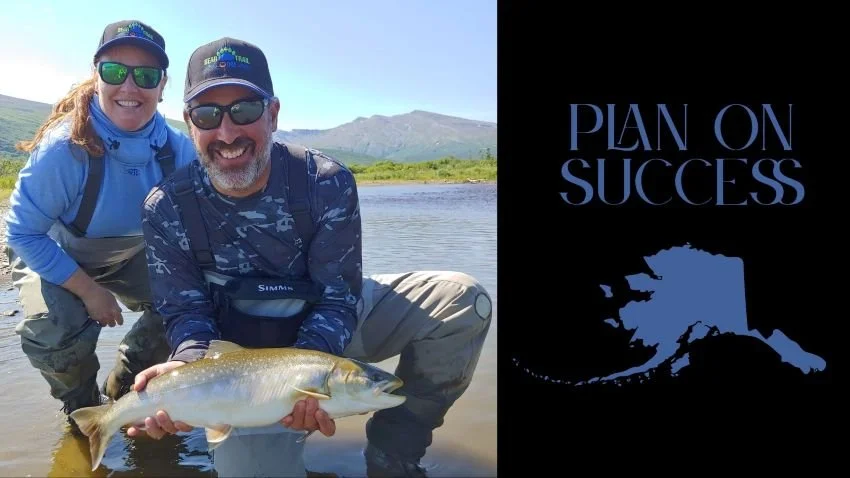
I’ve now been to Bear Trail Lodge in Bristol Bay four times, with a fifth trip planned for next September. While I’m still an embarrassingly poor fly caster, I’ve enjoyed some tremendous fishing successes and feel like the trip itself has become smoother each time.
That doesn’t mean that Alaska has lost the “wow” factor.
Far from it. In fact, the opposite is true. Because I’ve learned from some mistakes and smoothed out some of the wrinkles from that first visit in 2019, I feel like not only do I catch more fish but I am also better able to enjoy the moments – big and small – that make a fishing trip to Bristol Bay so exceptional.
After four trips, I’ve made plenty of mistakes and learned from most of them. Here are 11 things I’d recommend avoiding on your first Bristol Bay fishing trip.
Going at the Wrong Time of Year
The Alaskan fishing clock – particularly the salmon runs – is highly regimented, almost set in stone. If you want silvers or kings or sockeyes, you need to be there during a particular window of opportunity. Miss that and you might as well be fishing in an empty swimming pool.
The weather is a factor, too. If you can’t stand the cold, don’t go on the edges of the season. It might still be hot at home, but you could experience sub-freezing temperatures or even snow.
The good news is that there really isn't one universally “best” time to fish Bristol Bay. It depends on what you want to catch and what kind of experience you’re seeking.
That's one reason we've enjoyed returning to Bear Trail Lodge at different times of the summer – and why we ultimately chose September for our next trip. Our guides told us that early fall offers an appealing combination of weather, fewer anglers and opportunities at some seriously large rainbow trout.
Do your homework before you pick your dates. The fish won't adjust their schedule to yours.
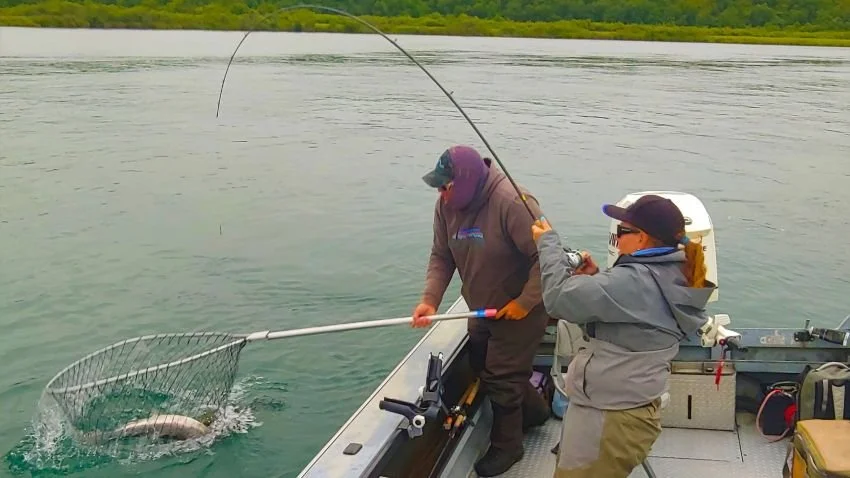
Assuming that You Need to Be an Expert Flycaster
As noted above, I really struggle with the fly rod.
That’s partially because I only use one on our intermittent trips to Alaska and partially because many of the motions and angles are exactly the opposite of what you’d do when bass fishing with conventional gear, where I spend most of my time.
In fact, some have suggested that it’s better to come to fly fishing with no angling experience than as someone with a long history of fishing with gear.
Fortunately, the guides at Bear Trail Lodge are all exceptionally patient and they’re all great teachers. Yes, it pays to be a great caster, but even if you’re not, they’ll put you in position to go from zero to success your first day.
That said, it never hurts to take a lesson or three before you go.
And don't let the term “fly fishing” scare you away. You don't need to show up in Bristol Bay looking like you've spent your entire life on a trout stream. You're there to learn, catch fish and have an unforgettable experience.
Failing to Prepare Physically
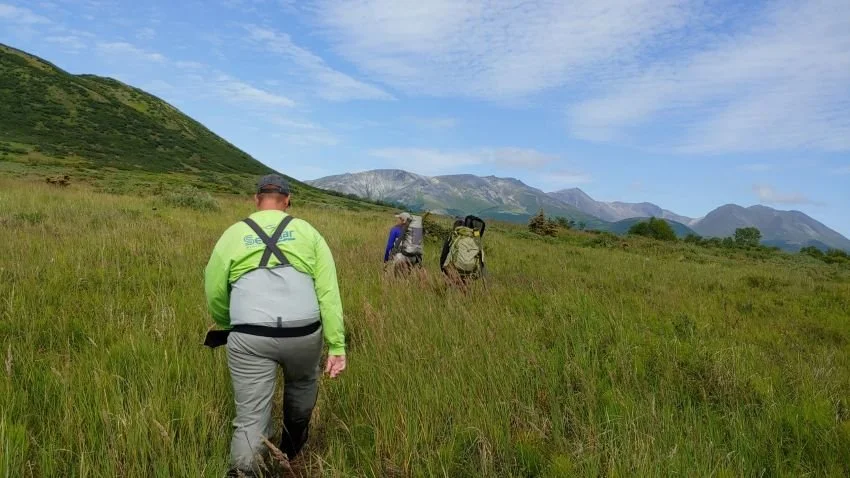
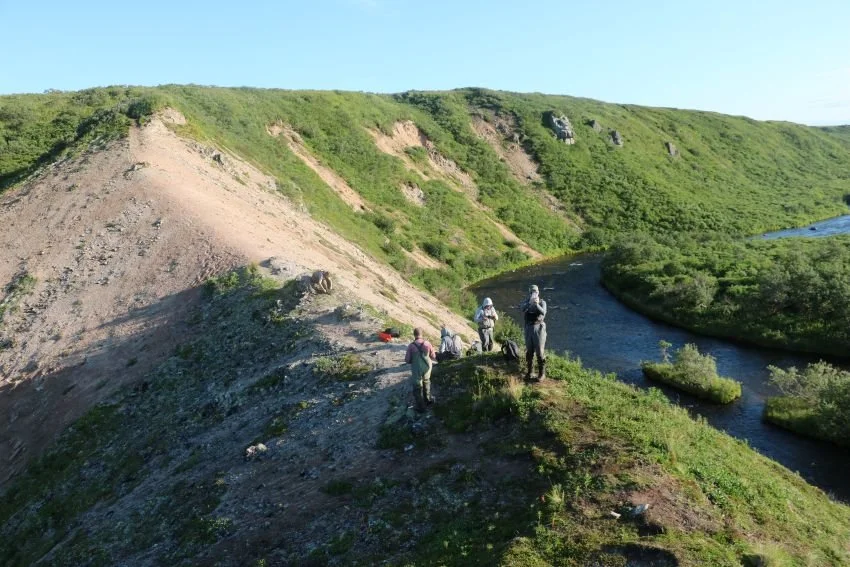
Some of the flyouts require hikes of varying lengths across the tundra, which can be taxing. Even if they’re relatively short, wading in current all day will wear you out.
Even if you’re fishing out of a boat, these are long days, and if you’re not in “fishing shape” you’ll be surprised at how tired you get – and when you get tired that’s when you get sloppy with your fishing and miss great opportunities.
You don't need to become an endurance athlete before visiting Bristol Bay. But ability to walk, hike, balance on uneven ground and spend long periods on your feet will make the experience considerably more enjoyable.
Not Listening to Your Guide
The guides are experts in their field and in the terrain. You likely are not.
They’ve fished dozens of days on these rivers this year. You likely have not.
Even if you’ve fly fished the world and have your own way of doing things, heeding their advice will put more fish in the boat and keep you safe.
Where you stand matters. How you cast matters. How you present a fly matters. Sometimes even where you look matters.
Your guide isn't just there to row the boat or point out fish. He's your local expert. Take advantage of that.
Not Asking Questions
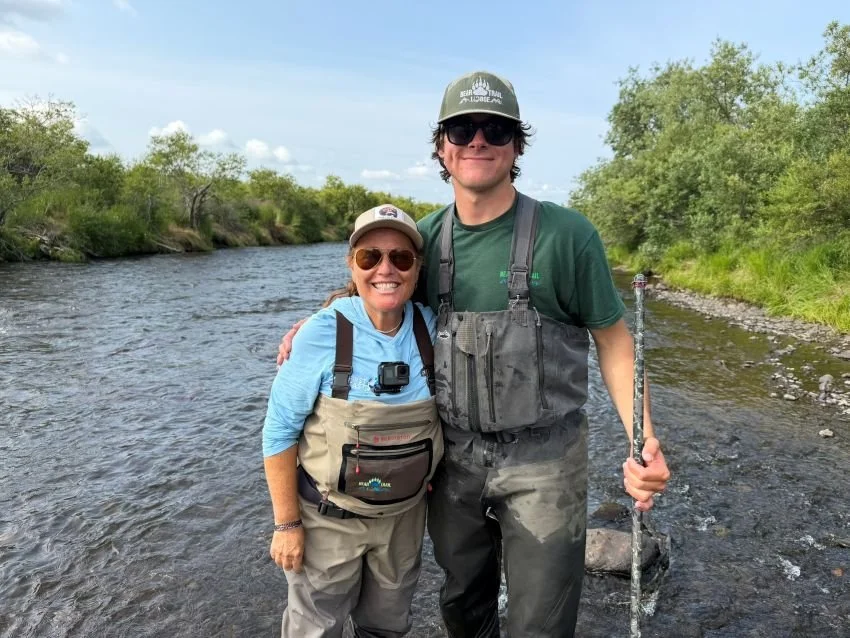
Along with listening, it makes sense to ask questions throughout the day.
You’ll be impressed with how much the guides know, but it’ll also help you catch more fish.
When I lose one, I almost always ask, “What did I do wrong?” Sometimes that helps me avoid making the same mistake again.
When I catch a quality fish, I’ll often ask, “Why was that fish there?”
After a while, you’ll see your successes increase substantially.
And don't be afraid to ask questions that seem obvious. You're probably not the first person to ask them, and a good guide would rather have an engaged angler than someone who spends six hours silently repeating the same mistake.
Bringing the Wrong Equipment
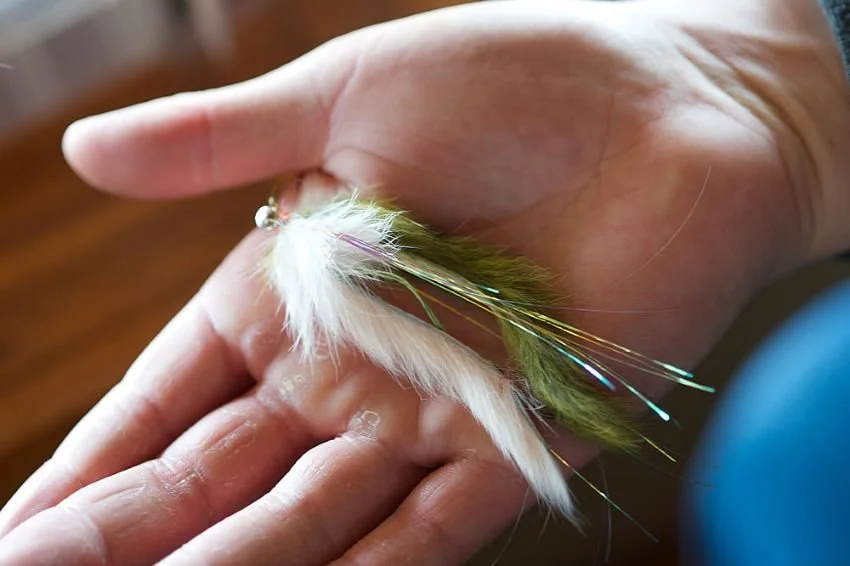
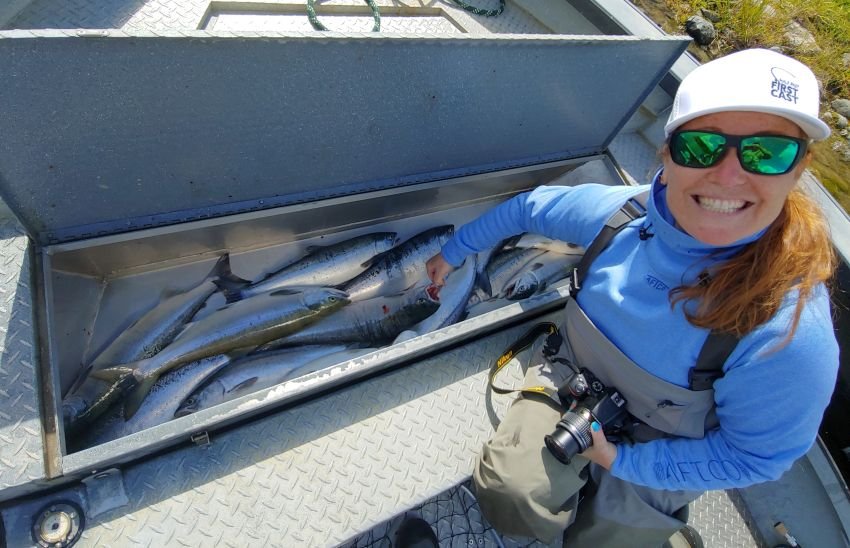
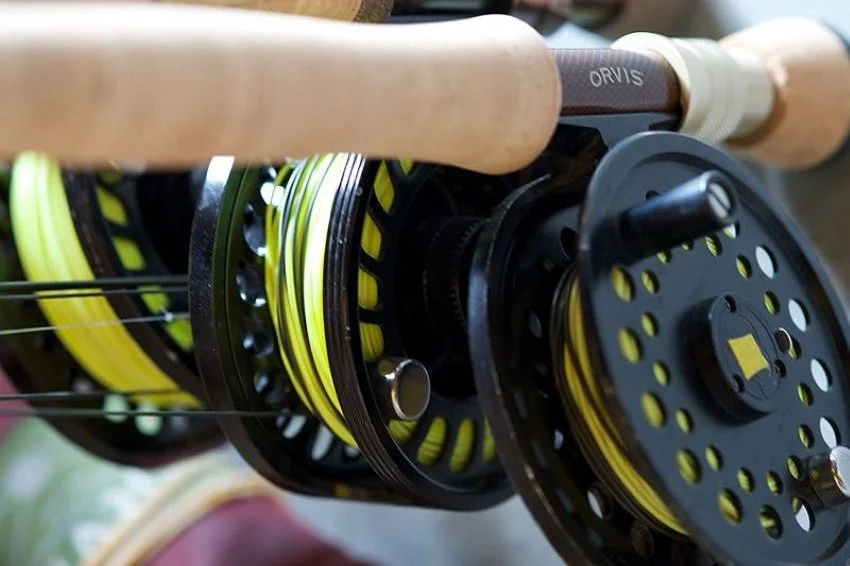
Bear Trail Lodge provides everything you need – rods, reels, lines, flies, waders and boots – and it’s all top-of-the-line gear.
Nevertheless, you may have your own preferred tackle. Feel free to bring it.
Just make sure it’s legal (some streams are fly-only, or require certain types of hooks) and properly suited to the task.
If a 6-weight is perfect, a 3-weight or 12-weight may prevent you from having the day you want as others experience great success.
The easiest approach is to ask your lodge exactly what they provide and what they recommend bringing. Don't assume that the equipment you use at home will be ideal for every situation you'll encounter in Bristol Bay.
Failing to Layer Your Clothing
It can get cold in Alaska.
It can get hot in Alaska.
Often in the same day.
If you dress for a 45 degree start with one heavy jacket, you’ll be uncomfortable with it rises to 70 a few hours later. Clear skies often give way to rain, too.
Bring technical, quick-drying fabrics with a base layer, an insulating layer and a rain shell. Make sure they’re lightweight, too, because when the float plane drops you off, even if you shed a layer you’ll have to find a way to carry it until the end of the day.
The goal isn't to bring your entire closet. It's to be able to adjust.
In Alaska, being comfortable isn't a luxury. It can be the difference between enthusiastically making another cast at 4 p.m. and wishing the day were over.
Not Getting Enough Sleep
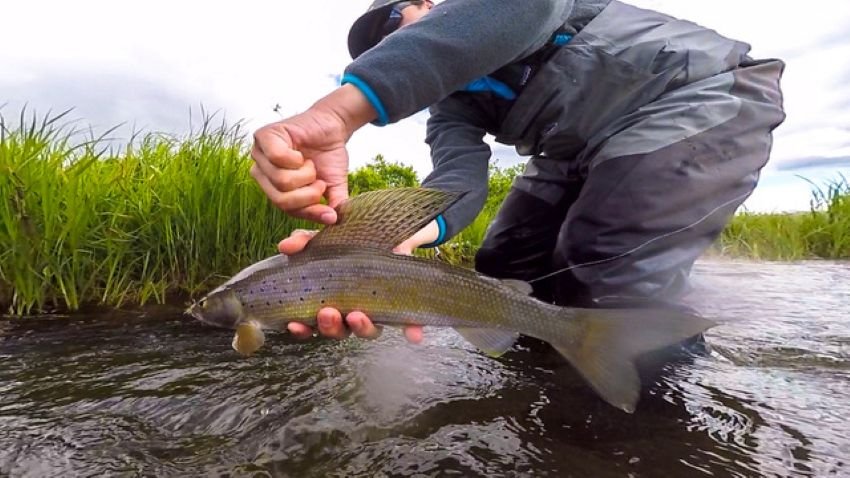
It stays light late during the summertime in Alaska, particularly in late June and early July.
The temptation might be to eke out every moment of light that you can, enjoying an extra drink or three in the cool air. You might also want to share fish stories late into the night with friends.
Those are legit pastimes but be sure that you get enough rest.
The fishing can be surprisingly taxing and again, if you want to avoid sloppy mistakes and possibly injuries, you need to be fully aware during your time on the water.
Everyone needs different amounts of rest – know your best-case scenario.
Not Hydrating Properly
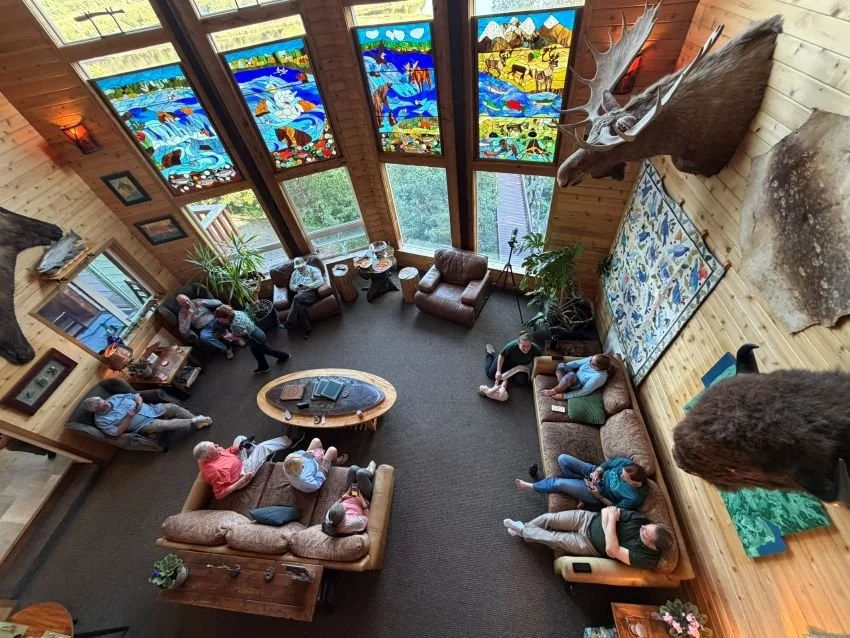
Bear Trail Lodge gives every guest a water bottle and provides filtered water in the lodge for a reason.
You need to drink during the day.
Yes, peeing when wearing waders can be a pain (sorry ladies) but if you’re not peeing then you may be on the road to dehydration.
That can make you not only uncomfortable but sick. Don’t miss a day of fishing because you forgot to drink.
This is especially easy to overlook when the weather is cool. You may not feel thirsty the way you would on a hot summer day at home, but you're still spending hours outdoors, walking, wading and concentrating.
Drink water.
Your future self – and your fishing – will thank you.
Fighting the Weather
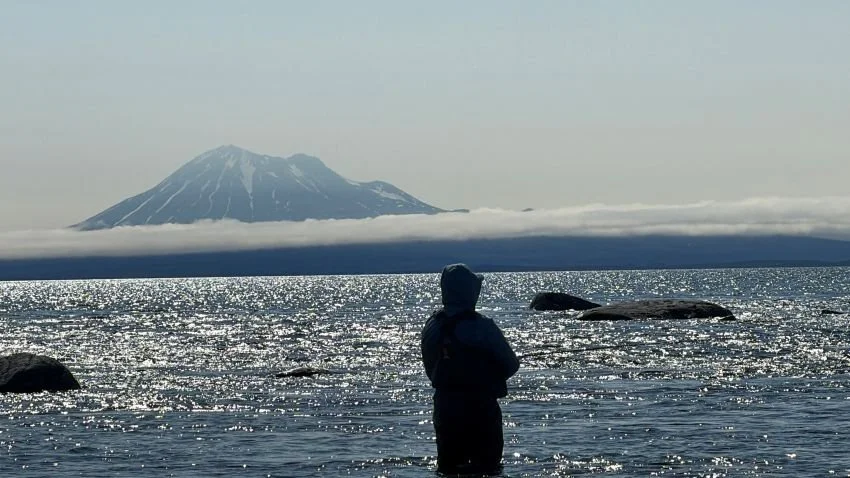
I always say that fishing is a bad sport for control freaks like me because there are so many things that you can’t control, most notably the weather.
Take what it gives you.
If there’s fog or rain or heat, one fishery may be more accessible and more productive than another. Ask your guides for their advice and heed it – and wear the right clothing to make the most of a situation.
In a best-case scenario, the weather can trigger a particular bite if you’re ready for it.
One of the biggest mistakes you can make in Alaska is spending your vacation being angry because Alaska is behaving like Alaska.
Fog happens. Rain happens. Wind happens. Plans change.
The people who have the best trips aren't necessarily the ones who get perfect weather. They're the ones who adapt to whatever the day gives them.
Not Building Flexibility Into Your Travel Plans
A remote Alaska fishing trip doesn't operate quite like a weekend at the beach.
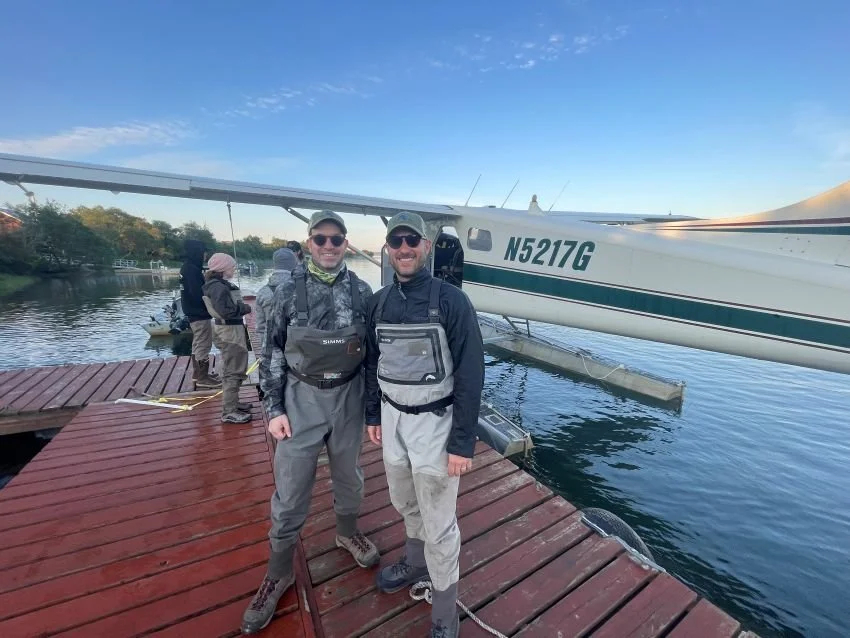
You're dealing with commercial flights, small aircraft, weather and remote locations. A schedule that looks perfectly reasonable on a spreadsheet can become a lot less reasonable when one flight is delayed.
Give yourself some breathing room.
If possible, don't build a complicated series of connections immediately before you're supposed to arrive at the lodge. Likewise, think carefully about how much flexibility you have after the fishing portion of your trip.
This is one of those lessons you appreciate more after you've made the trip a few times.
The more remote the destination, the more valuable a little extra time can become.
And Here's the Bonus Mistake: Waiting Too Long to Rebook
Make sure that if you're going back, you rebook ASAP.
All of our past trips to Bear Trail Lodge have been in July and August, so when we decided to go back next September, we had no idea how precious those spots were.
We initially had 12 spaces. We filled eight of them quickly, and then the lodge asked for the other four back.
Demand at prime times is exceptionally strong at premier outfitters like Bear Trail Lodge.
That's not meant to scare you into booking a trip before you're ready. But if you have an incredible Alaska fishing experience and already know you want to return, there's little reason to wait until the last minute to start planning the next one.
I've now been four times.
I'm already looking forward to number five.
And that's probably the best way I can summarize what I've learned: the smoother you make the logistics, the more time you have to concentrate on what you actually came to Alaska to do – catch fish, learn something new and appreciate just how extraordinary Bristol Bay really is.
If you're considering your first Bristol Bay fishing trip, email us. We'll help you figure out the timing, fishing goals and lodge experience that make the most sense for you.
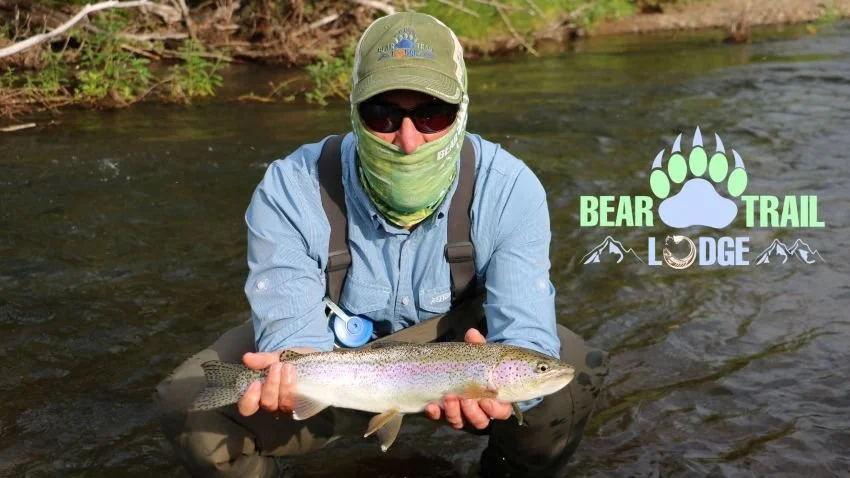
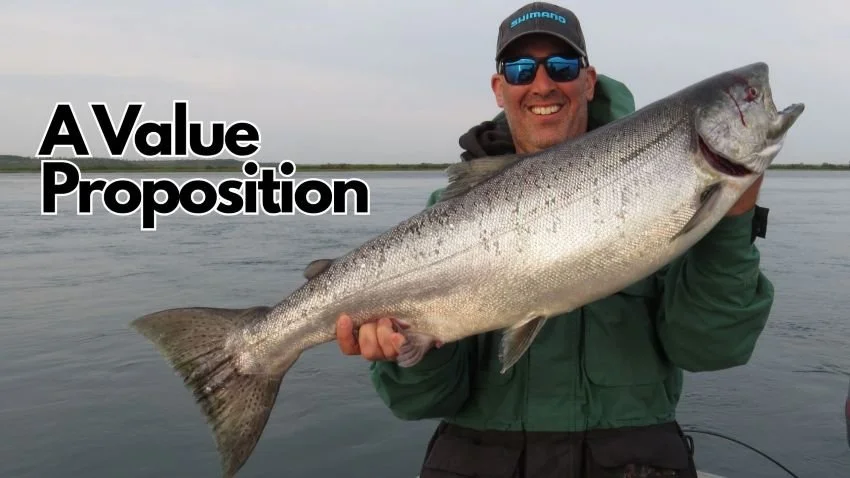
Planning an Alaska fishing trip? Avoid these 11 common mistakes and learn how to choose the right lodge, timing, gear and guide for an unforgettable Bristol Bay adventure.