

Big Fall Smallmouths in the Thousand Islands Region
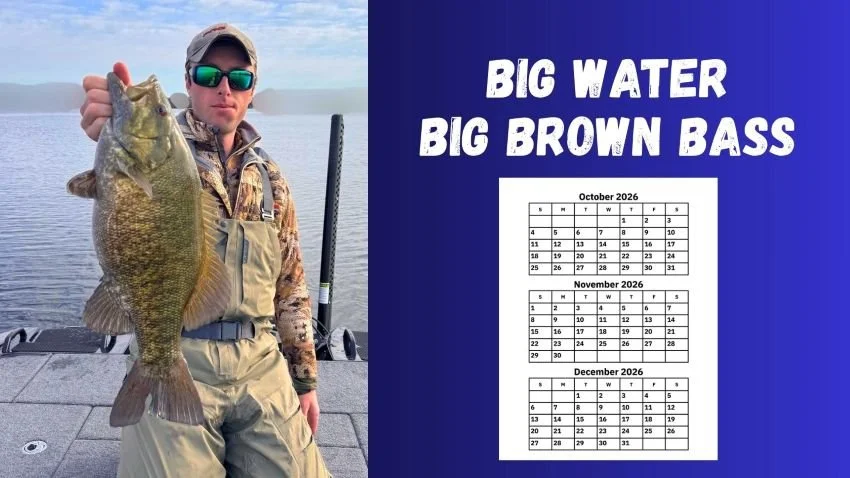
After the record-setting Elite Series event on the St. Lawrence River, I stayed an extra day to fish for smallmouths with Steve Kennedy. The next day I left the 70-degree temperatures and drove eight hours south to the stifling 95-degree heat of Virginia.
Like most people who haven’t spent much time there, I assumed the folks up north had two seasons – three months of smallmouths and nine months of snow. Once Labor Day rolled around, I figured they traded in their open-water tackle for parkas, firewood and alcohol.
But in subsequent conversations with Brett Anander of Big Water Guide Service, I learned that I left just as things were about to get really good.
“This is the best time to catch your personal best,” he said. “The fish are feeding up because our winters are so harsh, and it’s your best time to catch a 5-, 6- or even 7-pounder. And eights are becoming more and more common. There were two in the same bag during the recent CISA tournament.”
That makes fall a particularly attractive time for serious anglers to visit the Thousand Islands region – smaller crowds and potentially more big fish.
And for American anglers, there’s another consideration: While the New York season closes on November 30, Canadian waters stay open.
“I’ll fish as long as I can until the ramps lock up,” Anander said. “That usually happens sometime in December or January.”
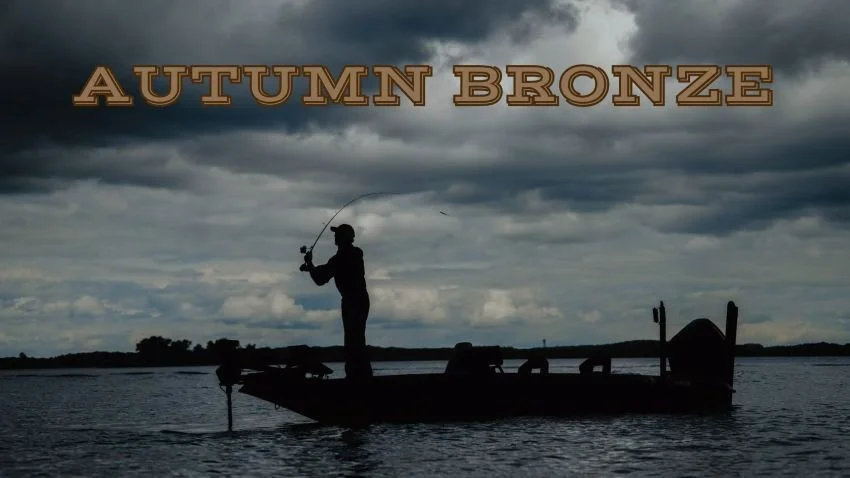
This isn’t the trip for the casual angler or anyone who despises the elements. There’s likely to be wind and waves, and there’s even the potential for snow. But because you’re not fishing in a tournament, you have numerous options for where to launch. You often don’t need to run through the nasty stuff to get to the juice.
Even if you’re headed out onto Lake Ontario, there are protected bays with quality ramps and, according to Anander, plenty of quality fishing.
But don’t rule out the St. Lawrence River.
That’s where Anander caught his personal best – a 7-pound, 6-ounce brute – and he says the idea that there aren’t quality bags inside the river is simply false. According to him, 25- to 30-pound limits are caught there every year by tournament anglers, casual fishermen and guide clients alike.
But that doesn’t mean it’s easy.
There can be big groups of fish, but locating the ones that will bite takes time. Some days Anander finds them in the shallow 6- to 15-foot zone, while other days they’re in 25 to 50 feet. Early fall is a time of transition, with fish moving between feeding areas and their eventual wintering holes.
His primary tools include blade baits and Megabass Vision 110 jerkbaits, depending on where the fish are positioned and how they’re behaving.
Anander provides all of the gear you’ll need and can make lodging recommendations from the region’s varied options. You’ll need to bring your own clothing, though, and this is not the time to skimp on rain gear, foul-weather gear, gloves and hats.
You don’t want to be uncomfortable when that bite window of a lifetime opens.
If you’re interested in chasing a giant fall smallmouth in the Thousand Islands region, reach out to Brett through Big Water Guide Service.
Tell him Pete and Hanna of Half Past First Cast sent you.

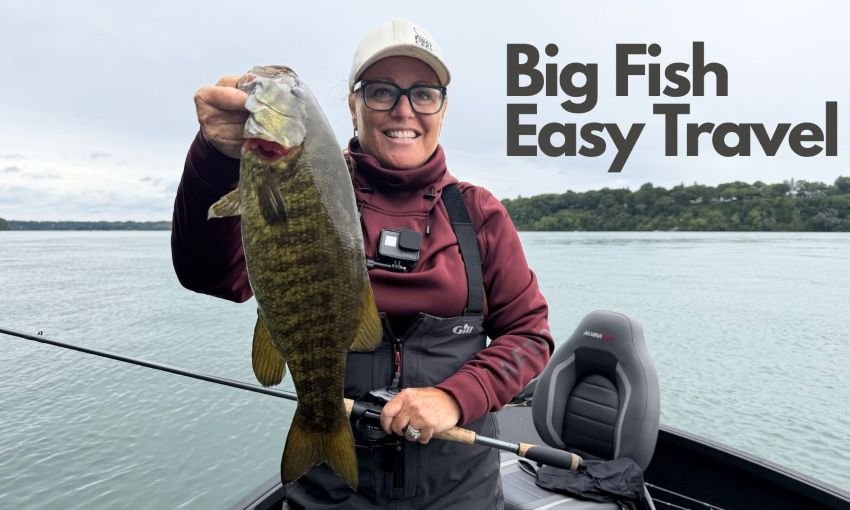
Fall may be prime time for giant smallmouths in the Thousand Islands region. Learn why the biggest fish show up late in the St. Lawrence River and Lake Ontario.