
What To Do If You’re the Least Experienced Angler on Your Fishing Trip
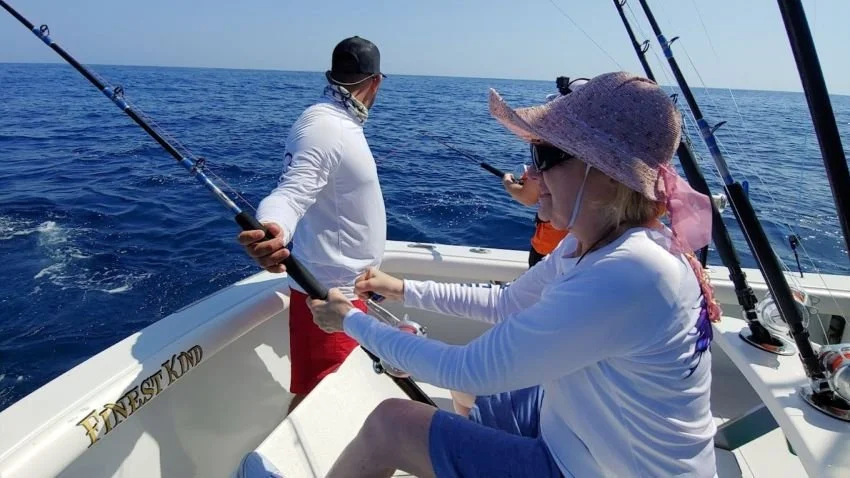
One of the biggest reasons people never book their dream fishing trip has nothing to do with money or vacation time.
They're afraid they'll be the worst angler in the boat.
I've been there.
Whether it was my first sailfish trip in Guatemala, my first tuna trip in Panama, or learning to fly fish in Alaska, I've spent plenty of time feeling completely out of my element. And that's exactly why I believe being the least experienced angler on the boat shouldn't stop you from taking the trip.
We can't all be experts at every style of fishing. If you're anything like me, though, you want to try it all — from fly fishing for mountain trout to casting giant poppers for yellowfin tuna or teasing billfish offshore. It's simply impossible to have years of experience in every fishery and every technique.
Still, if you identify as an angler, you probably hate the idea of looking incompetent on the water. And if you've never fished before, you're probably worried about asking "stupid questions."
Don't let that fear keep you from experiencing a fishery that's always been on your bucket list. Some of the greatest memories of my life have come from trips where I started with little more than enthusiasm and a willingness to learn. I'm still far from an expert at many of those fisheries, but that's part of the fun. Every trip teaches me something new.
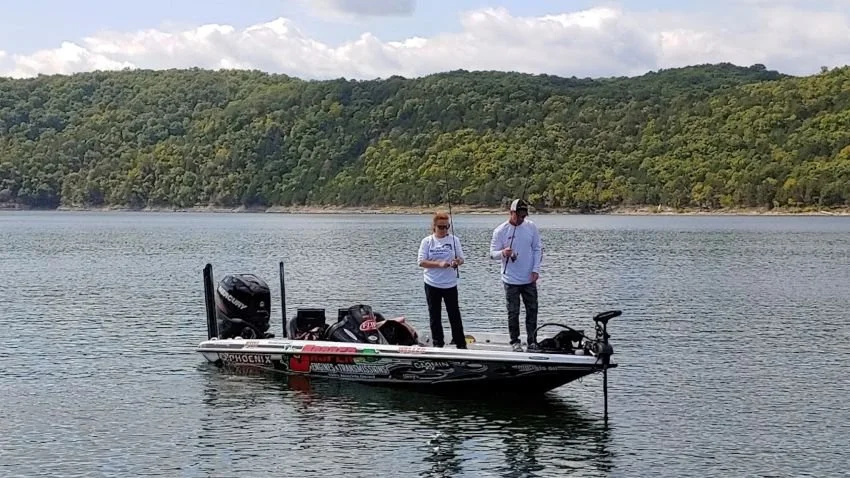
If you're heading out on a trip where you expect to be the least experienced angler—whether by an inch or a mile—here are some ways to make the experience smoother, more productive, and a whole lot more enjoyable.
Don’t Be Afraid of Being Inexperienced -- Everyone started somewhere. Everyone made stupid mistakes. The sooner you get over that hump the better.
Study Before You Arrive -- You can shorten the learning curve by asking questions or taking a deep dive on the internet. YouTube is a wonderful thing in this respect – you can likely gain some quick insight into the fishery, guide or lodge you’ll be visiting. This helps ease the onboarding process. You’ll also probably pick up some of the new terminology so when someone tells you to “mend your line” or shouts out “right long teaser” you’ll know what that means. Just remember not to take everything on the web as gospel. Even if it’s legit info, different anglers do things different ways, it’s not a one-size-fits-all solution.
Remember that guides/outfitters/lodges want you to succeed – Even the grumpiest captain or guide knows that while they can't control how many fish you catch, they can control the quality of your experience. That's why the best guides genuinely want you to succeed. They want you to catch fish. Don’t be afraid to ask questions or ask for a demonstration. One of the reasons we carefully choose the lodges we partner with is that they're just as excited to teach a first-timer as they are to help an expert catch one more fish.
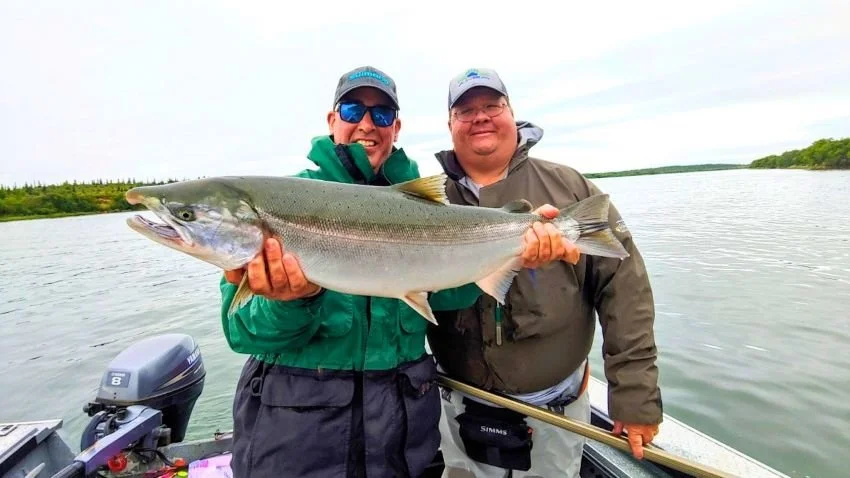
Watch and learn from the better anglers in your group -- If you admire someone’s techniques or can't figure out why they're catching more fish than you are, don't be afraid to watch what they're doing and ask questions. At Lake El Salto, where I consider myself reasonably competent, other anglers have occasionally keyed me into a particular retrieve or lure color that dramatically increased my catch rate.
Learn from your mistakes and enjoy the successes -- When things come together – particularly after you struggle – it can be both an incredible relief and a massive high. Lean into that but don’t get too cocky because even the best and most experienced anglers screw the pooch sometimes. I still can’t fly cast worth a damn, but the flyout fly fishing trips are consistently the highlights of our Alaska trips.
Remember that success is relative -- If you let the mates do the bait and switch in Guatemala, you may catch 35 sailfish out of 40 bites, but Captain David Salazar encouraged us to hook the fish ourselves, even if it only meant landing half that many. There's a special satisfaction that comes from knowing you fooled the fish yourself instead of simply watching someone else do the hard part.
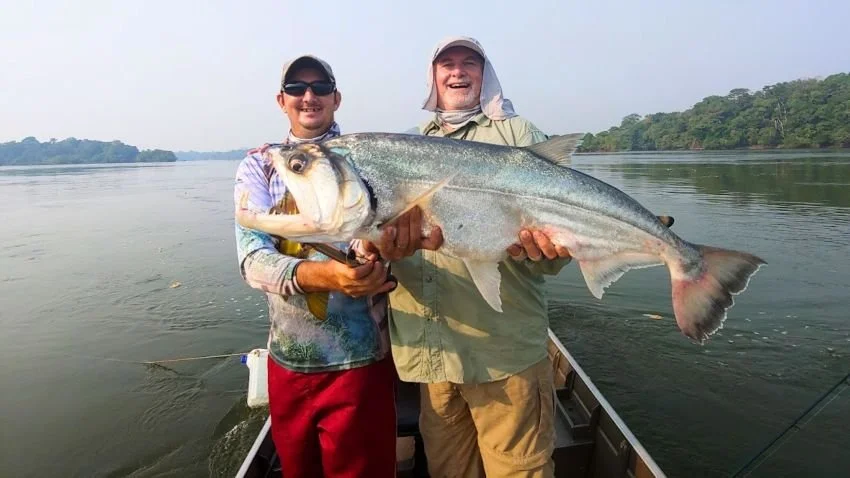
Review each day while it’s fresh -- At the end of the trip, or even better at the end of every day, think about your time on the water. What went right? What went wrong? What do you still not understand? I recommend doing this every day (it doesn’t take much effort) because then you can work on improving the next day. Ask a lot of questions. Again, people like to help, especially if they can show off their own expertise.
Decide if you want to take the next step -- My guess is that if you did your research ahead of time, you’re going to want to take at least a moderately-deep dive into this new style of fishing. That’s what’s happened to me with each of our “once in a lifetime” trips. Then again, if you decide you’re one-and-done there’s no shame in that. Just remember that a big part of the enjoyment of fishing comes from catching fish, and with each subsequent trip, all things being equal, you will get better.
Keep learning between trips -- We typically only go to Guatemala and Panama once a year, Alaska approximately every other year, but I obsess and probably over plan in between. It keeps me in the right state of mind and thinking about how and why I can get better.
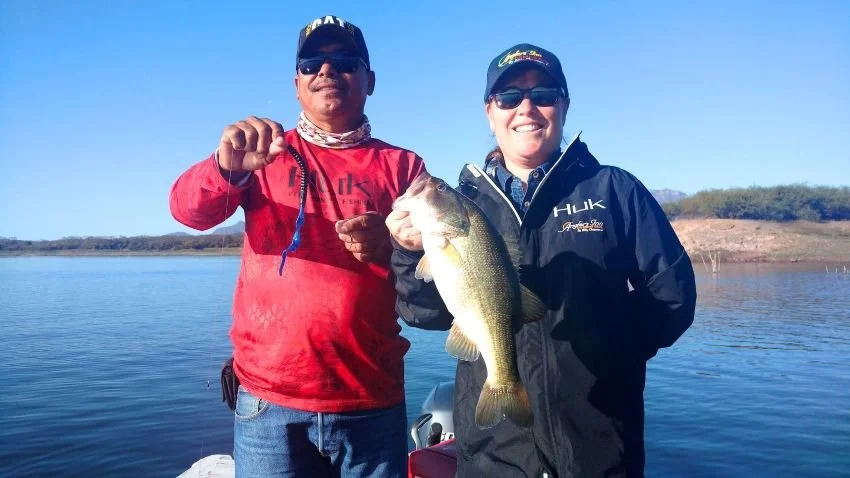
A final note on physical ability and strength: Be sure to assess your physical abilities and limitations prior to any trip. That’ll require some basic research into what the particular style of fishing may require. Then make some careful decisions about what you can and cannot do. For example, on an Alaska trip, you might want to take a distant flyout that requires 10 total miles of walking on tundra and slippery streambeds over the course of the day. On the other hand, that might not be feasible for you at all and you could choose to do a boating trip instead. But there may be an intermediate option – a flyout with 1-3 miles of total hiking. Don’t miss out on experiences because you’re afraid, but don’t write checks that your body can’t cash, either.
Similarly, you might not be able to tame a 200-pound yellowfin tuna on your own. I know that I probably still can’t. But if you want to get a tuna popping experience, don’t let that deter you. You can always hand off the rod. I’m already starting to plan for a Canadian bluefin expedition next fall (chances of tuna in the 700-1000 pound class). It’ll give me inspiration to get in better shape and if I can’t complete the job at least I’ll have tried. By the way, let me know if you want to join on that trip, whether you’ve done it before or not.
It’s the same as when people express interest in going on offshore trips but fear seasickness. Somewhere out there is a preventative or cure that will keep you from getting sick. If you want to chase the big stuff, find that solution and go rather than sitting at home wondering “what if?”
Every expert angler you admire was once the least experienced person on the boat. The only difference is that they decided to go anyway. If you've been putting off a trip because you're worried you won't know what you're doing, reach out. We'll help match you with the right destination and prepare you before you ever step on the boat.
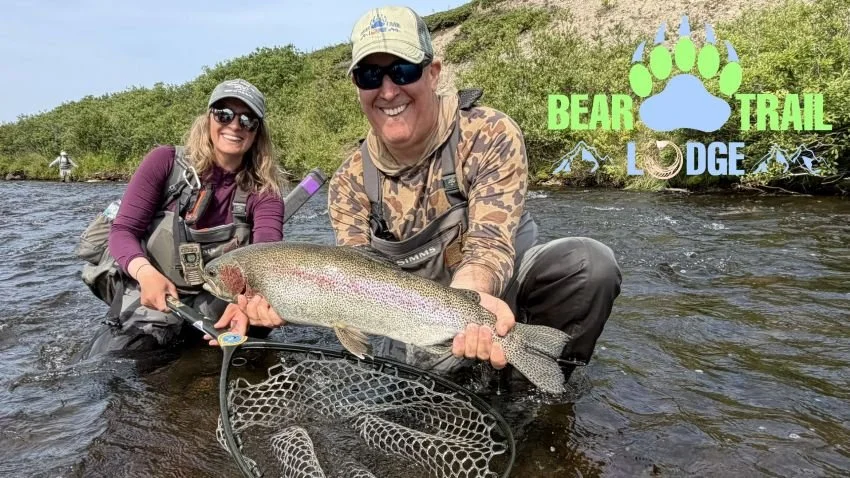
What do you eat at an Alaska fishing lodge? See a week of breakfasts, lunches and dinners at Bear Trail Lodge, including fresh Alaska seafood.