

Meet the Pirá Pitá: Argentina’s Mini Dorado with a Big Attitude
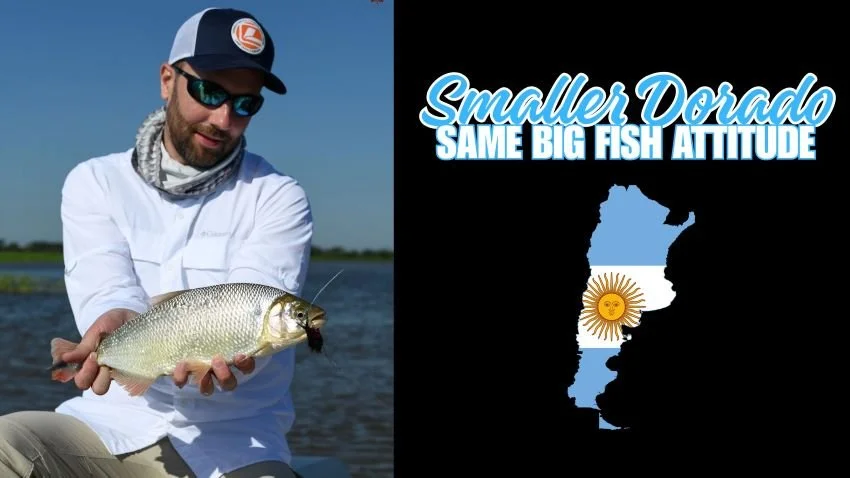
We’re heading to Argentina this fall, primarily to chase the golden dorado — a fish the country has become synonymous with. But in the rivers we’ll be fishing lurks a smaller, potentially meaner fighter that, according to the experts, demands attention and a lot of respect: the pirá pitá.
One thing we’ve learned on past South American fishing trips is that while there’s always a headline species to draw you in, it’s often the other fish that add color to the trip. Species like arowana, payara, and distinctive catfish become huge bonuses — and the pirá pitá fits right into that role.
What is the Pirá Pitá?
Scientific name: Brycon orbignyanus
Family: Characidae
Other names: Salmon criollo (“river salmon”), piracanjuba (Brazil), pira pytá (Paraguay)
Appearance: sleek build, yellow head.
Size: typically smaller than Golden Dorado, top out in the 6-10 kg range.
Diet: Omnivorous, baitfish, insects, even fruit
The pirá pitá is sometimes called Argentina’s “mini dorado” for good reason: it shares many of the traits that make dorado such a thrill to catch — speed, power, and a willingness to jump — but in a smaller package.
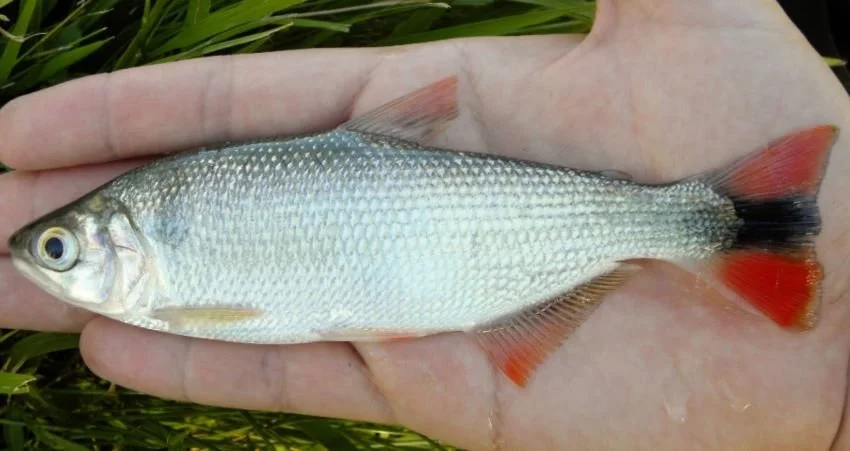
Why the Pirá Pitá Intrigues Us
We’re super-anxious to catch golden dorado, a species which has been living rent-free in our heads as more and more friends make the trek to Argentina to scratch their exotic fishing itch. Naturally, any fish related to them with similar qualities piques our curiosity — even if it’s smaller.
In fact their smaller stature may give me the cojones to fly fish for them. I’m not good with the long stick, even though I’ve enjoyed using it in Alaska and Montana, but if I can figure out some of the mechanics on pirá pitá with the instruction of our expert Argentine guides, maybe later in the trip I won’t feel scared to try it on the larger species.
Adding to the excitement, pirá pitá sometimes feed on fruit fallen from shoreline plants — and some anglers have even spotted them leaping out of the water to snatch a treat fresh off the vine.
Of course, there’s the simple thrill of adding another species to a “life list,” especially one that few fishing buddies have ever caught.

Where We’ll Find Them
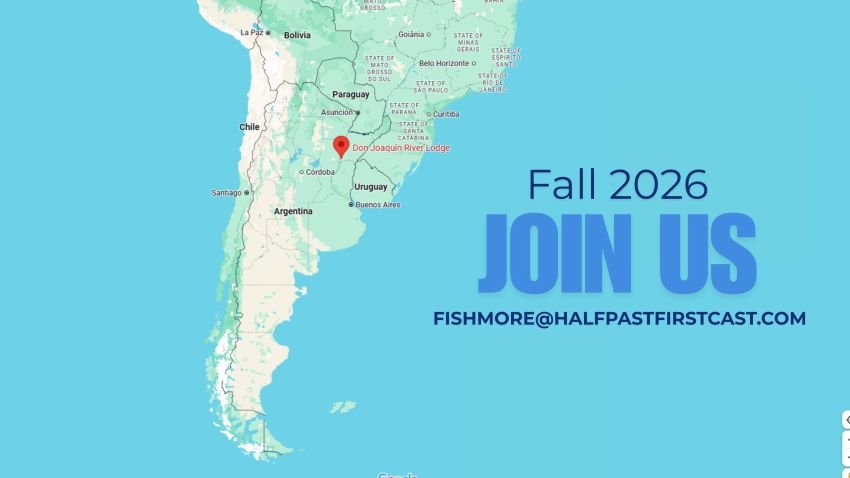
The lodge we’ll be fishing sits in one of Argentina’s best dorado and pirá pitá fishing spots at the Delta between the Paraná and Corrientes River, an area known as “La Esquina” (the corner). While we’re there we should be able to spend time on all three sections. That’ll add even diversity to the trip, since even though they’re adjacent to one another they look different and feature different habitat and characteristics.
I expect we’ll catch them in areas with heavy current, which will provide an additional challenge both in terms of making the perfect presentation and then landing these crafty sportfish. I know that learning to fish in heavy current in places like Alaska has made me a better overall angler – whether it’s chasing tidal river bass or other species outside of that range.
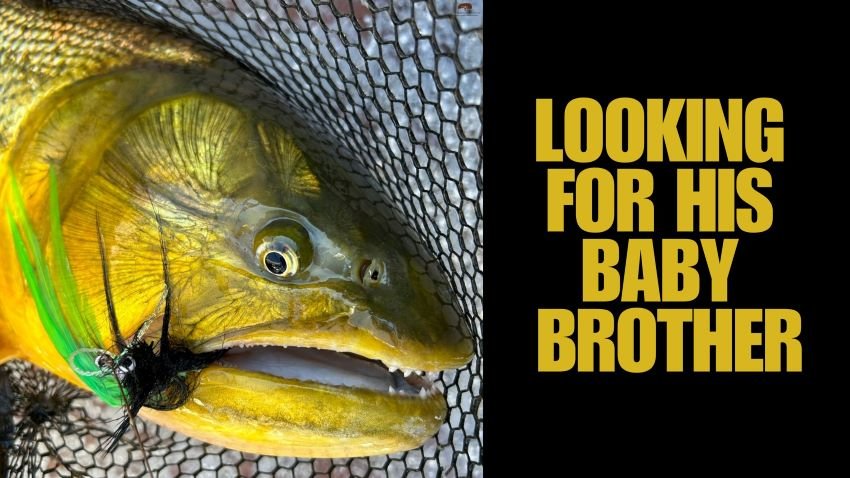
Why Pirá Pitá are Worth Chasing
We’ve been fortunate to take some amazing fishing trips all over the globe, from Alaska to Zambia, from offshore giants to small stream gems. It’s becoming harder to find unique species and situations, but Argentina rises to the top of the list because it offers unique freshwater species, trophy class game fish, and multiple scenic and fertile river systems.
Argentina is also safe, affordable, and easy to reach. Fly into the cosmopolitan city of Buenos Aires (come early or stay late if you want to check it out) and we’ll take care of the rest.
Having multiple species on a trip also hedges against the unpredictability of fishing. Even if water levels or weather aren’t ideal, species like pirá pitá and pacú offer excellent backup opportunities. And when conditions are perfect, catching both dorado and pirá pitá in one day — plus other colorful river species — can make for an unforgettable adventure.
If you’d like more information about this trip, email us. This is shaping up to be an amazing experience for anglers of all skill levels, with varied world-class fishing, exceptional lodging, expert guides, Argentine beef, and some of the best wines in the world.

Getting to Southern California for a fishing trip is remarkably easy, with multiple airports providing quick access to the fishing grounds — whether you’re chasing bass, yellowtail or tuna.