

Lessons Learned on the Guatemalan Road Trip from Hell
The trip from La Aurora International Airport in Guatemala City to Casa Vieja Lodge normally takes about two and a half hours. We once made it in 1:45 when we arrived at midnight and there was no traffic getting out of the city. Another time there were problems with the road and it took a grueling three and a half hours. We thought that was the worst case scenario. It was not.
On this most recent trip we took an overnight flight on Copa through Panama, then on to Guatemala City, arriving at 9am. We assumed we’d be at the pool, eating mahi fingers and drinking umbrella cocktails, by noon. Alas, it was not to be. The presumed worst case scenario got obliterated. It took us not three, not four, but five and a half hours from door to door.
The craziness started when our driver learned from his supervisor that there’d been a fatal crash on the main highway. They’d shut it down completely and expected it to stay that way for quite a while. After sitting in the extensive backup for quite a while, he detoured toward Antigua, hoping to make up some time. It didn’t work. Not only did countless others have the same idea, but they typically heavy weekend traffic compounded the misery.
If we hadn’t been so excited to get to the lodge, it would have been funny. Everything we tried went to crap. Our driver knew a shortcut from Antigua over a mountain, so we went up a steep, switchback cobblestone road for several miles. When we got to the top, the route down was chained off. It had been privatized and closed since the last time he’d been there. Back down we went. As we finally prepared to clear Antigua a bit later, we got behind a beautifully restored Chevrolet from the 1950s. After a few blocks we hit a tight intersection and he stalled out. Stuck again. Several pedestrians and other motorists pushed him until he could start up once again. Then three blocks later he stalled out. After the third time, we finally managed to get around him.

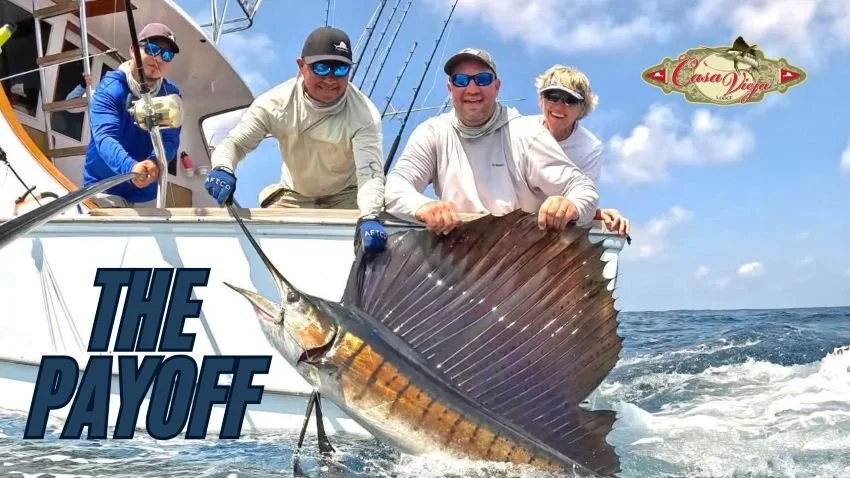
When we finally got to the lodge in the mid-afternoon, we were mentally fried. But you know what? After seeing the new pool and the updated rooms and having a few drinks, it didn’t matter one bit. We had arrived in paradise. Our friends who landed later had less awful rides. They too brought great attitudes. Perhaps most importantly, the fishing was better than we’d ever experienced. Our four boats caught nearly 400 sailfish in three days. Now the awful ride from the airport is just a footnote or a laugh line. It’s a trade I’ll make every time to have fishing that good. But thinking back on it, there are some travel lessons to be learned or relearned:
Build in time for obstacles – The oldest fishing cliché in the book is “control the variables you can control.” You can’t control the traffic, but you can build in time in case it is bad. Don’t cut things too tight. Better to have some down time on a layover or lay day than to miss out on what you’re there for.
Be especially tolerant in developing countries – Things go wrong in the US all the time, and you should account for that no matter where you are, but in developing or third world countries things tend to go awry even more frequently. Build those hurdles into your travel plan.
Bring the right attitude – Pete Robbins of 2006 might’ve stewed or cursed on the unexpectedly long van ride. It would’ve done no good. Pete Robbins of 2026 is far from perfect, but I’m getting better at going with the flow. Throwing a fit wouldn’t have gotten me there any faster. Throwing a fit would’ve made my travel companion stressed. Throwing a fit might’ve carried over into the good part of the trip and made me less able to enjoy it.
You can often pay to avoid a hassle – This isn’t a universal rule, but if you want to avoid delays and hassles, sometimes you can buy your way out of it. For example, if you’re worried about missing a connection, arrive a day early and pay for an extra night in a hotel. We often fly to Dallas the night before our El Salto trips and stay at the Hyatt in the airport for just that very reason. In Guatemala, you can hire a helicopter to take you to the lodge instead of the van. In Panama you can fly to Isla Parida on a private plane. Either one would certainly cut down on the likelihood of traffic.
But the most important lesson of all is to remember to LET THE MAIN THING BE THE MAIN THING – In this case, we were there to fish. We wanted to catch sailfish, lots of sailfish. We accomplished that goal, experiencing the calmest seas and the most wide-open bite we’d ever seen. Getting to the best of the best experiences often requires some hassle or inconvenience. I’m willing to make that trade every time. Just as importantly, if I’d let the possibility of bad traffic deter me from going, or if it had ruined my attitude, I’d have missed out on the pure joy that a dream billfishing adventure could provide.
While I’m at it, the experience made me thankful for several other things:
A great traveling partner – Hanna stays calm in these situations, and when there’s something to be done – like rebooking flights – she’s proactive.
None of our friends were equally delayed — I’d always rather that the problems happen to us, if they have to happen at all, than to our travel partners. We want your vacation to be perfect.
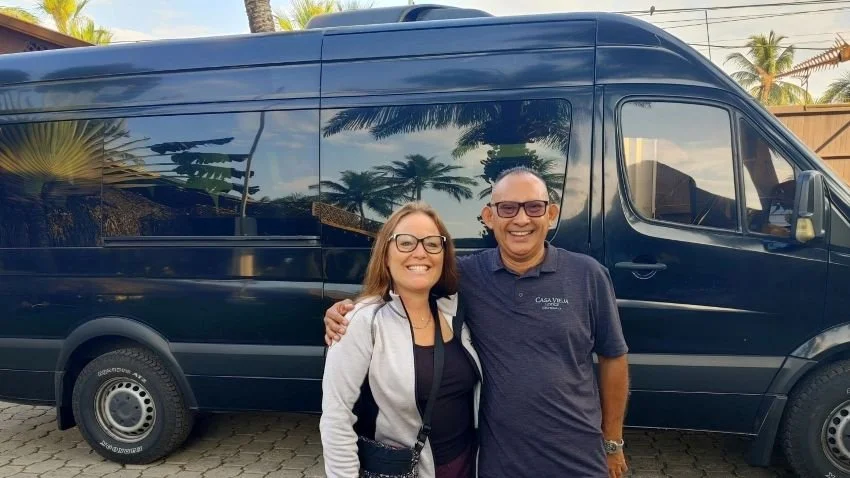
Quality transportation – the drivers at Casa Vieja are professionals and the vans are top notch. I feel safe when I’m with them.
American infrastructure – Our roads may not be perfect, but they’re far better than those in most of the countries we visit.

Getting to Southern California for a fishing trip is remarkably easy, with multiple airports providing quick access to the fishing grounds — whether you’re chasing bass, yellowtail or tuna.