
The Secret Training Tool of Elite Bass Anglers: Crappie Fishing
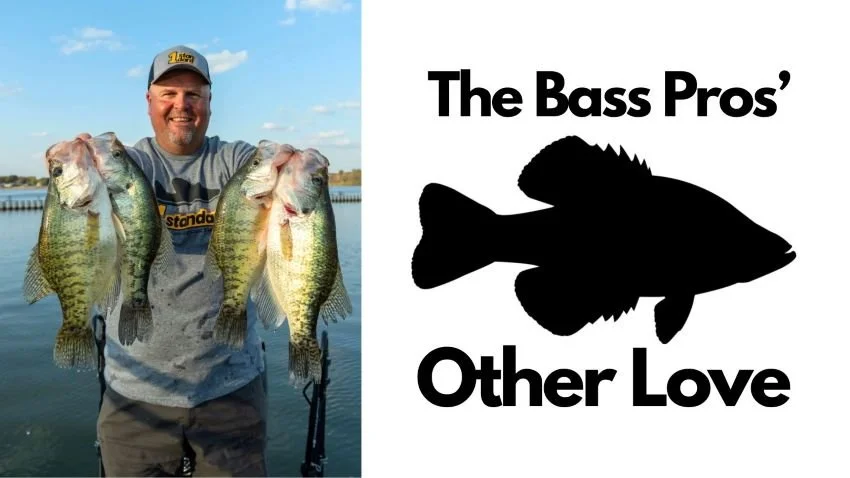
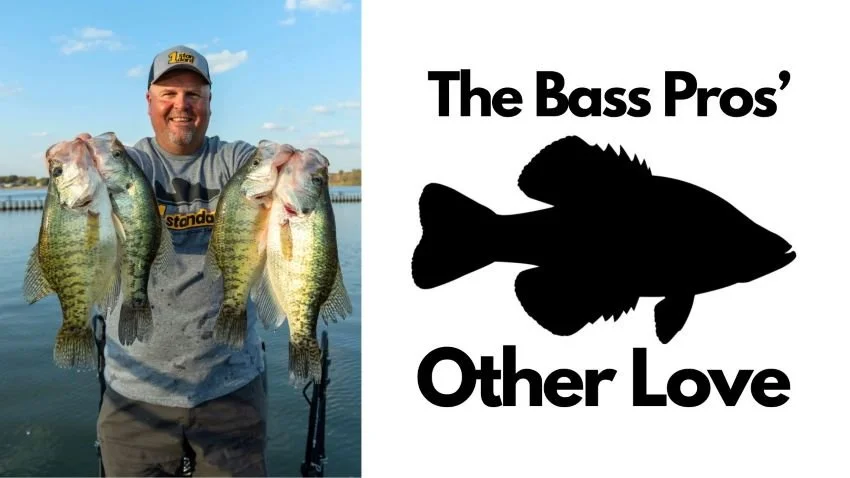
If you want to become a better bass angler in 2026 and beyond, you probably need to spend more time crappie fishing.
The reason? Crappie give anglers a laboratory for mastering electronics, boat positioning, lure presentation and fish behavior — all skills that directly translate to modern bass fishing.
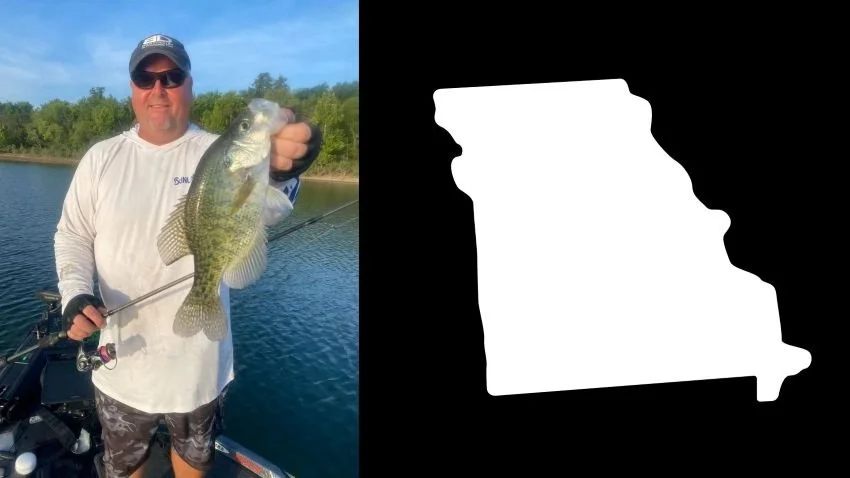
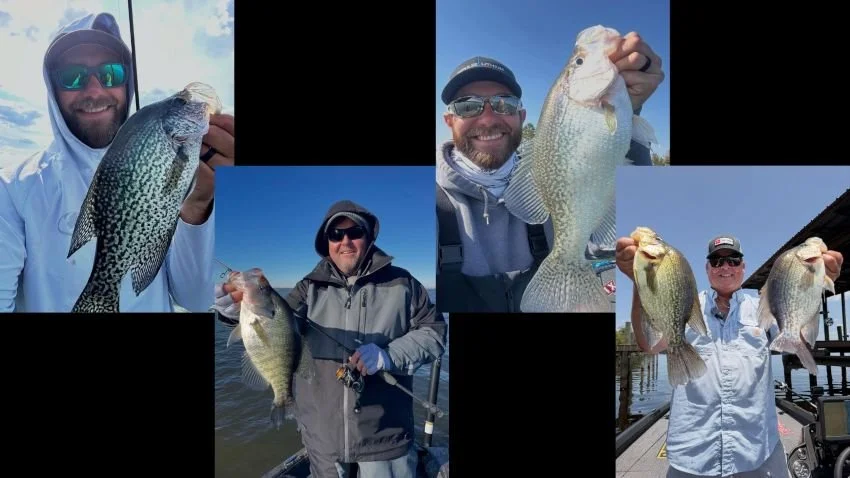
That’s the unfiltered advice from FLW champion and former Bass Pro Tour competitor Jeremy Lawyer and eight-time Bassmaster Classic qualifier Brandon Lester, a four-time Classic Top 10 finisher.
These days, when Lawyer and Lester fish strictly for fun, bass are no longer the default target. Lawyer estimates his recreational fishing is roughly 70 percent crappie and 30 percent bass, while Lester puts the split closer to 60/40.
There are many obvious benefits, Lawyer said.
“I’ve caught crappie since I was old enough to hold a fishing pole,” he said. “But as I was chasing the dream of becoming a professional bass fisherman, we still wanted to eat some fish and it seemed like bad karma to eat bass. On top of that, it’s just a good way to relieve stress. The pace is a lot slower.”
But while it’s still a stress reliever for both of them, as forward-facing sonar became more advanced and more critical to their “day jobs,” chasing crappie also provided distinct professional advantages.
“What I know about forward-facing sonar, I owe largely to crappie,” Lester said. “I started fishing for them in the winter and once I realized how much I liked it I kept doing it. But I’ve learned that if you can see an inch and a half minnow falling at 50 feet on your screen and watch a crappie eat it, you can definitely see a 6-inch minnow at 90 feet. I really think that no matter which brand of sonar you use, it takes a year to a year and a half to learn to be really effective and this pushed that along.”
How Crappie Fishing Builds Forward-Facing Sonar Skills
While bass certainly school at times, especially during seasonal feeding windows, crappie provide far more frequent opportunities to observe individual fish reactions. With crappie, though, schools of 50, 100 or more fish give you far more chances – with your trolling motor spotlocked -- to dial in your electronics, your gear and your presentation. Rather than spending your days hunting for fish that might go poof, they tend to sit there in front of you.
That creates muscle memory.
Today, after hundreds of hours chasing panfish, Lawyer and Lester say those skills have become automatic. Their eyes, hands, boat positioning and electronics work together without conscious thought.
“I wish there was a big secret to it,” Lester laughed. “It just takes time. Your boat is constantly adrift and requires little minor adjustments to keep in focus. Now I don’t even think about what I’m doing. My brain just remembers how to do it and takes over.”
Lawyer added that “more than anything, making the perfect cast 75 times in a short period and catching 50 fish is the perfect way to get the cadence down.”
Crappie Challenge Conventional Wisdom
Beyond simply improving electronics skills, crappie fishing has also forced Lawyer and Lester to rethink what they thought they knew about fish behavior.
For example, not all fish go shallow at the same time. Not all of them relate to cover.
That same willingness to challenge assumptions changed how Lawyer viewed crappie, too.
“What I used to think bass do is not necessarily the case,” he said. “We’d let a Rogue sit for 20 or 30 seconds because we assumed cold water bass wouldn’t eat it if we moved it. But now we’ve learned that even in 40 degree water you can’t wind it as fast as they can move. With certain fish, moving the bait is like a cat and mouse game – they’ll eat it better when you take it from them than if you spoon feed them.
“It’s the same on the crappie side. We thought for a long time that you couldn’t catch crappie after January 10th on brush piles. They just left. But what we’ve learned is that giant schools of them suspend just a few feet under the water, staying shallower to warm their eggs.
For Lawyer, that is the biggest lesson: fish often behave differently than anglers assume. Great anglers are the ones willing to question what they think they already know.
The Tackle Lessons Hidden in Crappie Fishing
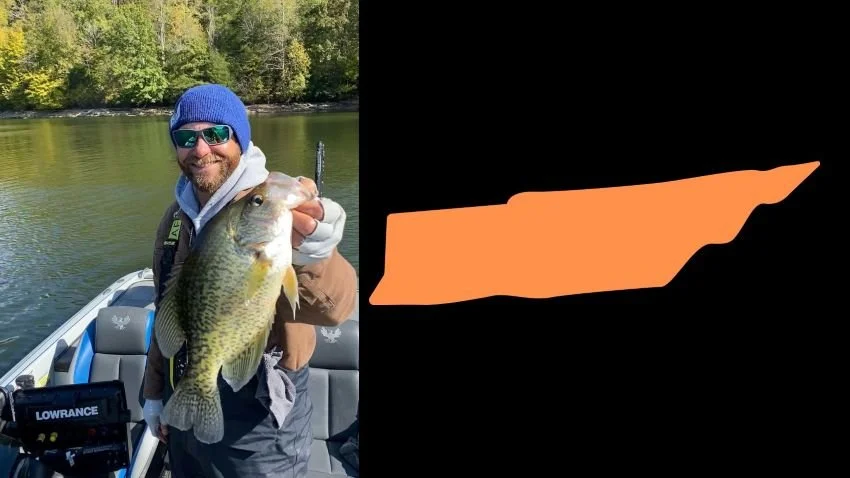
For Lester, chasing crappie in Middle Tennessee and North Alabama has enhanced his understanding of how bass relate to their surroundings as well as his tackle choices.
“I’m real curious about all different species of fish,” he said. “Some people just chase bass. I like bluegill or crappie and catfish, too. The more you know about the ecosystem, the better you are. And chasing crappie has helped me learn all sorts of little things about fishing in general. For example, I’ve learned how much line size can make a difference. Even just changing one or two sizes in pound test can be huge. It’s also amazing how much the color of a jighead can matter. Sometimes they want chartreuse much more than pink. It might come down to different times of year. I’ve sometimes been able to transfer those clues a little bit to bass world.”
Those tiny differences become magnified in crappie fishing. A slightly lighter fluorocarbon leader changes sink rate. A sharper hook penetrates with less force. A braid that floats differently affects lure control. Those details are easy to dismiss until you're watching fish react in real time on forward-facing sonar.
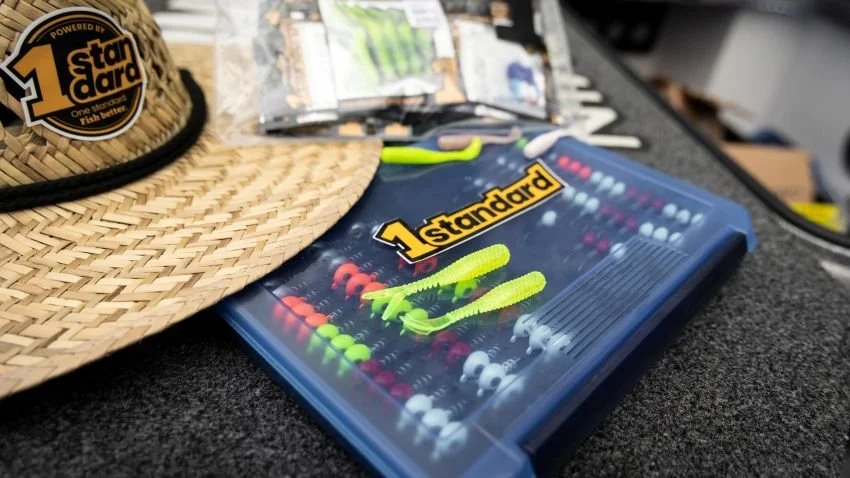
Those lessons have also influenced Lawyer's approach to tackle development. Through his work with 1Standard Fishing, he has helped rethink traditional assumptions about crappie bait sizes and applications.
“We create the traditional crappie baits in 1.5 to 2.25-inch sizes because that’s what we’ve all been comfortable with for decades, but we’ve also added lures in the 3.5 to 4-inch sizes. It also applies, to bass, where in many cases the traditional 4-5 inch sizes have been replaced by 6 and even 7-inch lures.
The Lessons That Apply Beyond Bass Fishing
Beyond their technical benefits, crappie also represent one of fishing's greatest teaching tools. They introduce new anglers to the sport while continuing to challenge experts who want to refine their skills.
“It’s a great way to get kids involved,” Lester said. “Early in my career I did a few guide trips and I never really enjoyed it because there was a lot of pressure. Crappie tend to be much more predictable. They’re great for kids. My kids love fishing for them. Even if someone’s never held a fishing rod, I can typically walk them through how to catch one.”
But in the hands of a crappie expert like Lawyer it’s just like bass fishing – subject to being taken to the next level. It’s how he’s built his understanding and applications for Sunline’s Almight and Asegai braids and FC leader material, and how to apply them up and down the size spectrum for different applications. Though the use of Gamakatsu Sticker and Stiletto hooks he’s delved deeper into hook shapes, point angles and materials.
“On many bodies of water these fish are heavily-pressured,” Lester said. “In the process of trying to keep up with them, we’re constantly looking for new ways to catch them, new spots, and we’re tinkering with baits and tackle as well.”
“I can apply anything I’ve learned from crappie to the bass world,” Lawyer concluded. “There are plenty of baits that we didn’t think fish would ever bite – that’s something we’ve seen with the urchin lately. In general, fishing for crappie has made me more open-minded.”
Why Crappie Fishing Still Matters Beyond Tournament Success
This reinforces a lesson we consistently learn through our Half Past First Cast hosted trips: becoming a better angler often comes from fishing outside your comfort zone.
Our Alaska trout trips have made us better at reading current and presenting smallmouth baits. Our Panama trips have taught us more about the limits of spinning gear after battling giant yellowfin tuna. Our Mexico bass trips have changed the way we think about structure, pressure and fish behavior.
The best anglers are always students. Sometimes the next breakthrough doesn’t come from chasing bigger fish. Sometimes it comes from chasing different fish.
Crappie may be smaller than bass, but as Jeremy Lawyer and Brandon Lester have learned, they can teach lessons that make anglers better across every species.
If you want to experience that kind of growth yourself, join us on one of our upcoming Half Past First Cast hosted fishing adventures.
Steve Yatomi was a larger-than-life personality who was at his best developing new international fisheries and bringing out the best in his fellow anglers and travelers.